



Buying a Townhouse in NYC - 2026 Buyer’s Guide
By Alex Mikoulianitch on January 04, 2026
Townhouses can be considered the crown jewels of New York City real estate.
Stately, historic, and bursting with charm, these multi-story gems can be the dream of any buyer looking to claim their slice of urban serenity. But while the dream is sweet, navigating the NYC townhouse market can feel more like a whirlwind—filled with high stakes, unique rules, and limited inventory.

Found within the leafy streets of the Upper West Side and the stately alcoves of the Upper East Side, townhouses are some of the most sought-after real estate in the Big Apple. So, how do you score one of these sought-after beauties? To start, partner with a knowledgeable and experienced buyer’s agent, do your homework, and be financially prepared.
Below, we’ll explain the essentials of buying a townhouse in NYC, break down the neighborhoods to look in, demystify the financing and inspection process, and highlight those quirky NYC rules no one tells you about.
Buying a Townhouse in NYC
- What is a townhouse in NYC?
- Where to find townhouses in NYC
- What types of townhouses are there?
- Laws and regulations for townhouses in NYC
- Partnering with a buyer’s agent with townhouse experience
- Leveraging commission rebates to save money
- Financing your townhouse purchase
- Townhouse inspections and due diligence in NYC
- The closing process for a NYC townhouse
- FAQs about buying a townhouse in NYC
What is a townhouse in NYC?
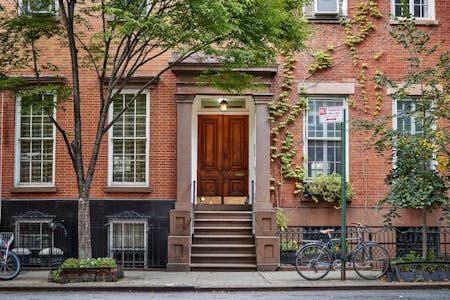
New York City townhouses are the definition of architectural allure. They’re not cookie-cutter apartments in towering glass buildings—full-fledged homes with history, charm, and, best of all, autonomy.
Unlike co-ops or condos, where rules and boards reign supreme, townhouses are generally all yours. And while your neighbors might share your sidewalk, they won’t share your walls. Townhouses offer the ultimate privacy for buyers craving a quiet oasis in the city's heart.
But townhouses aren’t just private—they’re iconic. Whether it’s a brownstone with a rich mahogany interior or a limestone beauty in Carnegie Hill, NYC townhouses are living pieces of the city’s history. Many date back to the 19th century, and despite their age, their appeal remains evergreen.
Where to find townhouses in NYC
Buying a townhouse in NYC means knowing where to look. While Manhattan is still the epicenter of some of the most stunning—and expensive—townhouses, don’t overlook Brooklyn’s brownstone-lined streets.
Popular Manhattan neighborhoods with townhouses
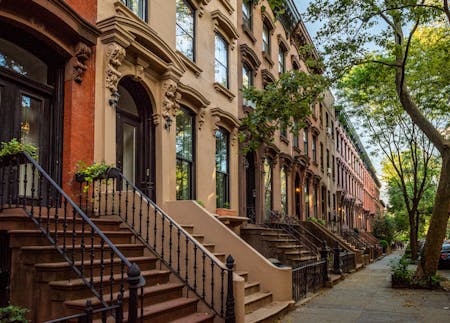
- Upper West Side: If you dream of sprawling brownstones in close proximity to Central Park, this is where you want to be. Townhouses here often feature iconic stoops, charming pre-war details, and proximity to museums and cafes. It’s family-friendly, picturesque, and quintessentially NYC.
- Upper East Side: Bohemian charm meets old-world elegance in this iconic neighborhood. Think tree-lined streets, historic 19th-century townhouses, and an energy that’s equal parts chic and timeless.
- Harlem: Harlem’s gorgeous brownstones carry a wealth of history and charm. Add to that a world of diverse food, cultural attractions, and monumental parks and museums, and you’ve got one of the most unique neighborhoods to consider.
- Chelsea: If you love blending history with modernity, Chelsea is your go-to. Renovated townhouses often feature cutting-edge interiors while still retaining their classic facades.
- West Village: With some townhouses dating back to the early 1800s, the West Village captures a glimpse into the city's rich architectural heritage amid cobblestone streets and a bustling nightlife.
If you’re willing to venture across the river and consider buying a townhouse in Brooklyn, consider exploring some of the iconic neighborhoods near Prospect Park, such as Park Slope, Windsor Terrace, and Prospect Heights. The brownstones and townhouses you may find there give Manhattan a run for its money. The townhouse dream is alive and well across boroughs—you just need to know where to look.
What types of townhouses are there?
The first thing to know is that townhouses come in two main types: single-family and multi-family.
Single-Family townhouses
These are the holy grail of townhouses. Entirely yours to live in, with no tenants or shared spaces, they provide ultimate privacy and flexibility. Whether planning to renovate or move right in, single-family townhouses give you complete control.
Multi-Family Townhouses
These properties come with built-in income potential. Typically divided into two or more units, multi-family townhouses allow you to live in one unit while renting out the others. Although it comes with landlord responsibilities, it’s a great way to offset costs.
Townhouses tend to be more expensive than apartments, but for good reason. You’re buying space, privacy, and a piece of history. Prices vary dramatically depending on location, condition, and amenities. An Upper West Side gem could set you back $6-10 million, while a Harlem brownstone might hover closer to $2-3 million.
Laws and regulations for townhouses in NYC
If you’re buying a townhouse in Manhattan, you’ll need to familiarize yourself with zoning laws, property taxes, and, most importantly, historic preservation regulations.
- Landmark Preservation: Many townhouses sit within historic districts (think Greenwich Village or Carnegie Hill). If you’re dreaming of renovating that 19th-century facade, you’ll need approval from the Landmark Preservation Commission. Exterior changes can be tricky, but don’t let that scare you—it’s all part of owning a piece of history.
- Zoning Laws: NYC zoning codes dictate what you can and can’t do with your townhouse. If you want to add a rooftop terrace or extend the back of the home, check with the city first to avoid headaches.
- Property Taxes: Unlike co-ops, where taxes are baked into maintenance fees, townhouse owners pay property taxes directly. Expect higher taxes in upscale neighborhoods, but remember that these costs are part of owning your castle in the city.
Partnering with a buyer’s agent with townhouse experience
Partnering with a buyer’s agent is one of the smartest moves you can make when buying a townhouse in NYC, especially considering the market’s complexity, competitive nature, and high stakes.
So, what does a buyer’s agent bring to the table? First and foremost, expertise and experience. NYC townhouses are a world unto themselves, with nuances ranging from ownership types (condo vs. co-op vs. fee simple) to zoning laws, renovation regulations, and financing quirks. A great buyer’s agent knows the lay of the land and can quickly narrow your search to properties that fit your budget, lifestyle, and long-term goals. They’ll guide you through the maze of listings, coordinate showings, and decode the fine print of each property so you know exactly what you’re buying—no surprises.
Buyer’s agents are also savvy negotiators. When you find that perfect townhouse on a picturesque Upper West Side block or in a bustling corner of Brooklyn Heights, you’ll want someone in your corner to help you land the deal. Whether it’s negotiating price, contingencies, or closing terms, a buyer’s agent knows how to strategize based on market conditions and seller motivations. This can make all the difference in a competitive bidding situation, especially when townhouses—often in limited supply—spark intense buyer interest.
Perhaps most importantly, a buyer’s agent acts as your advocate and advisor throughout the entire purchase process. They’ll coordinate with attorneys, inspectors, and mortgage lenders to keep everything on track. They’ll also help you avoid common pitfalls, such as skipping an essential inspection or missing a key deadline in your contract.
Leveraging commission rebates to save money
Purchasing a townhouse in NYC is a titanic investment. Even if you carefully align your finances to make this investment possible without straining your wallet beyond reason, money saved is money saved. And for a purchase as significant as a townhouse, few real estate tools can net you savings like a commission rebate.
In simple terms, a commission rebate is a portion of the seller-paid buyer’s agent commission fee received for representing you, which is given back to you after closing in the form of a rebate check.
Modern brokerages like Prevu invest in a tech-forward approach and a seamless digital homebuying platform that unlocks the largest commission rebate in NYC for aspiring homebuyers.
For instance, buyers can potentially receive up to 1.5% of their home’s final purchase price after closing with Prevu. For a townhouse that can easily cost tens of millions of dollars, the potential rebate can generate significant savings that can be used to cover expensive closing costs, jumpstart a furnishing budget, or simply replenish cash reserves.
Financing your townhouse purchase in NYC
Buying a townhouse in NYC, particularly in sought-after neighborhoods like the Upper East Side or Greenwich Village, often means navigating high-profile transactions with equally high stakes. While many townhouse buyers buy all-cash, financing such a purchase requires other aspiring homeowners to have well-planned strategy and a deep understanding of the unique challenges tied to high-value properties in the city.
First, securing pre-approval for a mortgage is non-negotiable. Lenders will typically look at your creditworthiness, debt-to-income ratio, and liquidity. High-value townhouses often require jumbo loans because their price tags exceed conventional loan limits. These loans come with stricter qualification criteria, including higher credit scores and substantial cash reserves, which reassure lenders of your financial stability. Buyers should be prepared to provide extensive documentation and be ready for more stringent scrutiny of their financial health.
Another critical factor is the required down payment for a townhouse. While 20% is often cited as the standard, high-profile townhouse purchases may require 30% or more, especially for properties priced in the multi-million-dollar range.
Additionally, lenders may require buyers to demonstrate the ability to cover several months of mortgage payments in reserves. This ensures buyers can comfortably manage the financial obligations of owning a luxury property.
Townhouse inspections and due diligence in NYC
While NYC townhouses are rich in charm and history, they also present unique challenges that demand a meticulous approach to inspections and due diligence.
The first step is hiring a licensed home inspector who specializes in townhouses. Unlike apartments or condos, townhouses are standalone structures, meaning you’re responsible for the foundation, roof, plumbing, electrical systems, and more. A thorough inspection will identify potential red flags such as water damage, outdated wiring, or structural issues. For older properties, inspectors should also look for aging materials that may require replacement.
Once the inspection is complete, the due diligence process begins.
This step goes beyond just structural concerns—it includes understanding the townhouse’s history and legal standing. For instance, has the property undergone significant renovations? If so, were the necessary permits obtained and work completed to code?
Title searches are also critical, ensuring there are no liens, unpaid taxes, or boundary disputes that could complicate your ownership. For townhouses with shared walls, known as "party walls," reviewing any agreements with neighbors is essential to avoid future conflicts over repairs or modifications.
Another vital aspect of due diligence is understanding zoning and landmark restrictions. NYC’s zoning laws and historic preservation rules can significantly affect how you use or renovate your townhouse.
In neighborhoods like Carnegie Hill or the Upper West Side, where many properties fall within historic districts, restrictions may limit your ability to alter the facade, windows, or other architectural elements. Consulting with a real estate attorney or zoning expert can help you navigate these regulations and ensure your plans align with city requirements.
The closing process for a NYC townhouse
Closing on a townhouse in NYC might feel like a whirlwind of paperwork, but it’s far less rigorous than a grueling co-op board application process.
Closing costs in NYC are a critical component to budget for, and they extend well beyond just a townhouse’s purchase price. Among these is the infamous NYC mansion tax, a surcharge levied on properties with sale prices of $1 million or more. This tax begins at 1% of the purchase price and scales upward for more expensive properties, potentially adding tens of thousands to your closing costs. It’s an unavoidable expense for most townhouse buyers in Manhattan, making it essential to factor this into your financial planning from the outset.
In addition to the mansion tax, expect to pay fees for title insurance, legal services, and other standard closing costs. Lender-related costs like appraisal fees, loan origination charges, and mortgage recording tax will also apply if you're financing your purchase.
Carefully review your closing disclosure to ensure all costs are accurate and accounted for. Your real estate attorney will be invaluable during this stage, ensuring the transaction is completed correctly, and the deed is transferred without issue.
Finally, the last step is the final walkthrough, where you’ll confirm that the property is in the agreed-upon condition. Check that any requested repairs have been completed, appliances are functioning, and no unexpected damages have occurred since your last visit.
FAQs about buying a townhouse in NYC
- What is the difference between a brownstone and a townhouse? A brownstone is a type of townhouse made with a specific brown sandstone facade. All brownstones are townhouses, but not all townhouses are brownstones.
- How much does a townhouse cost in Manhattan? Prices vary by location but generally range from $4 million to greater than $10 million, depending on size and condition.
- Can I renovate a townhouse in a historic district? Yes, but you’ll need approval from the Landmark Preservation Commission for exterior changes.
- Are townhouses subject to HOA fees? Unless you buy into a specific group of townhouses that an HOA manages, you shouldn’t have to worry about HOA fees.
- What are the ongoing costs of owning a townhouse? Property taxes, homeowner’s insurance, maintenance, and any renovation costs are the primary expenses.
- Is buying a multi-family townhouse a good investment? Depending on your financial goals and possibilities, a multi-family townhouse can be a very lucrative venture. Renting out units can offset mortgage costs and generate long-term income.
Townhouses for sale in NYC
Interested in buying a townhouse this year? Browse listings in your favorite NYC neighborhood and see how much you can save with Prevu's Smart Buyer Rebate.